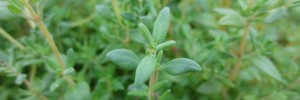
Thymus vulgaris Thyme grows trouble-free in an herb garden, along a pathway, or in a container. A garden bed needs no special preparation before planting thyme as it grows well in average soil. Thyme grows to a low bushy mound of small, dark green leaves with attractive pink to purple flowers in midsummer. Thyme is… Read more »
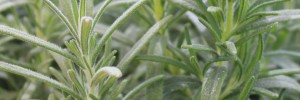
Rosemarinus officinalis A beautiful evergreen perennial shrub, rosemary has narrow, aromatic green leaves that are reminiscent of pine. It is used for seasoning meats, savoury dishes, roasted potatoes, and baking. It prefers light, sandy soil mixed with lime and a south-facing planting area. To protect plants from winterkill, trim back. This will encourage new branching… Read more »
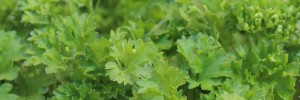
Petroselinum crispum Parsley often is taken for granted, yet its sprigs are essential for perking up a bland dish, adding colour to a special meal, or dressing a glass of tomato juice. It is a key ingredient in bouquet garni and in fine herbs. Whether it is curled or flat-leafed, parsley is one of the… Read more »
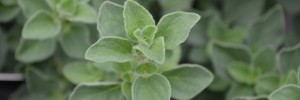
Origanum vulgare The intense aroma and unmistakable flavour of true oregano are invaluable for seasoning Italian dishes, roasted meat, and vegetables. This robust aromatic can be grown in an herb garden or in containers. Oregano needs both excellent drainage and good air circulation to thrive; moderate fertilizer is sufficient. This hardy perennial is a bushy… Read more »
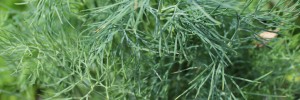
Anethum graveolens Dill was known as a medicinal herb to the ancient Greeks and Romans and was mentioned in Egyptian writings some 5000 years ago. It is native to southern Russia, western Africa, and the Mediterranean region. It is the most important culinary herb in Scandinavia, as popular as parsley is in other parts of… Read more »
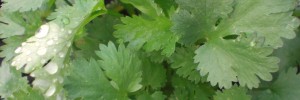
Coriandrum sativum Cilantro or coriander is one the world’s oldest spices. Spanning from 5000 BC to modern times, it has been used medicinally and culinary around the world. In ancient times, countries such as China, India, Egypt, Greece, and Rome used it for both its seed and leaf. It is thought this aromatic herb made… Read more »
Add a sprig of herb and familiar foods take on a new character. Fresh herbs add aromas and flavours, from subtle to pungent. The popularity of herbs is due to the fact that these culinary delights are easy to grow, yield prolifically in small spaces, and are just delicious. The range of herb gardens can… Read more »
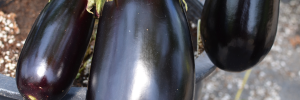
Solanum melongena. Eggplant, a native of India, is actually a pear-shaped berry and part of the so-called deadly nightshade family, which includes potatoes and tomatoes. And despite the mythology of their poisonous effects, eggplants, particularly their skins, contain high amounts of antioxidant phenolic compounds, cancer-fighting elements that eat up free-radical scavengers in the bloodstream. Thus,… Read more »
Glycine max. Edible soybean, called Edamame in Japan and Mao Dou in China, is grown mainly to harvest the young green-shelled beans for vegetable uses, and not for the matured soybean crops. Most commonly served as an appetizer, the whole pod is steamed or boiled for 3 to 5 minutes until bright green. Then they… Read more »
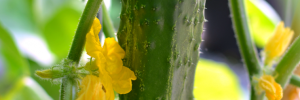
Cucumis sativus “Cool as a cucumber” is not just a catchy phrase-it has some basis in fact. A cucumber’s pulp temperature may be up 20° cooler than the outside air. Cucumbers are about 96 percent water. Because their skin holds in moisture like a jug, these vegetables have been used to quench thirst since ancient… Read more »
May you grow still enough to hear the small noises earth makes in preparing for the long sleep of winter, so that you yourself may grow calm and grounded deep within.