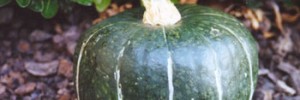
Cucurbita pepo. Squash was one of the oldest and most important food crops. People from Central America and Mexico not only ate squash, but they used the gourds to make water jugs, bowls, and ceremonial masks, and they wove the stringy fibers of some varieties into cloth. Squash come in many colours, shapes, sizes, and… Read more »
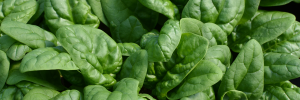
Spinacia oleracea. Spinach was first cultivated in Persia several thousands of years ago. It was brought to Europe by the Moors when they invaded Spain and presented to China as a gift from the King of Nepal in the seventh century. Today, California is a leading producer of spinach, growing about half of the fresh… Read more »
Cichorium intybus. Radicchio came to prominence with the pasta craze. It is a wild Italian chicory, related to the root chicories, and is enjoyed for its slightly bitter leaves. Red heads with white accents make radicchio an eye-catching crop. Chioggia types form rounded heads. Treviso radicchio looks like romaine lettuce, but it has pink-to-red leaves…. Read more »
Cucurbita pepo. Pumpkins evoke memories of the autumn season; whether placed in a fall or Thanksgiving display or carved into scary looking jack-o’-lanterns. This type of winter squash boasts more than decorative good looks, it can be baked in pies and bread and the seeds can be roasted for snacks. In the garden, pumpkins love… Read more »
Capsicum annum. When Columbus discovered the New World, he was searching for precious black pepper. But what he brought back to Europe were green peppers – long, spicy vegetables. These New World peppers quickly caught on in Europe and then spread to Africa and Asia. Today, hundreds of pepper varieties are grown worldwide. Some are… Read more »
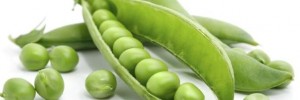
Pisum sativum. Peas are one of the oldest cultivated vegetables. A team of archaeologists unearthed peas that dated to 9750 B.C. at Spirit Cave in Thailand. In ancient times, these legumes were generally dried and used in soups. In wasn’t until the 17th century that eating fresh peas became fashionable with the French people. Today,… Read more »
Citrullus lanatus. Cantaloupe, as they are known in North America, is named for the town of Cantalupo near Rome where they grew. In Europe, these melons are known as muskmelons or nutmeg melons and take their name from the Romans’ habit of sprinkling the fruit with powdered musk to enhance the flavour. They are the… Read more »
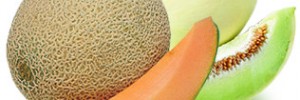
Cucumis melo. Melons are members of the large family of gourds or pumpkins, which grow on trailing vines. There are thousands of varieties and range in size. Melons are considered to be a fruit, but are often used as a vegetable. The wild ancestors of this species seem… Read more »
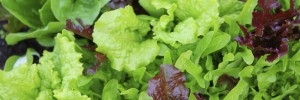
Lactuca sativa. The humble beginnings of lettuce began when it was first grown as a weed in the Mediterranean area. The early Romans, who treated lettuce as a luxury food, were intrigued by the milky juice or sap that exuded from the cut stem. In fact, the word lettuce derives from the Latin word lac,… Read more »
Brassica oleracea var. acephala. Kale is thought to be one of the first cultivated brassicas, some 2000 years ago. It was the most widely eaten green vegetable in much of Europe until the Middle Ages. Colewort, its wild ancestor, still grows along the coasts of western Europe. Kale has been particularly important in colder regions… Read more »